TRANSFORMING WASTE INTO CARBON NEGATIVE JET FUEL
Building the world’s largest second-generation SAF plant in Teesside to deliver carbon-negative fuel at scale.
0m liters SAF
ANNUAL SAF OUTPUT
Produced each year from 1.5m tons of waste
0k tons of CO2
Avoided per year
When integrated with carbon capture and storage (CCS)
£0bn investment
Project scale
Construction set to begin in 2027; operations start 2030
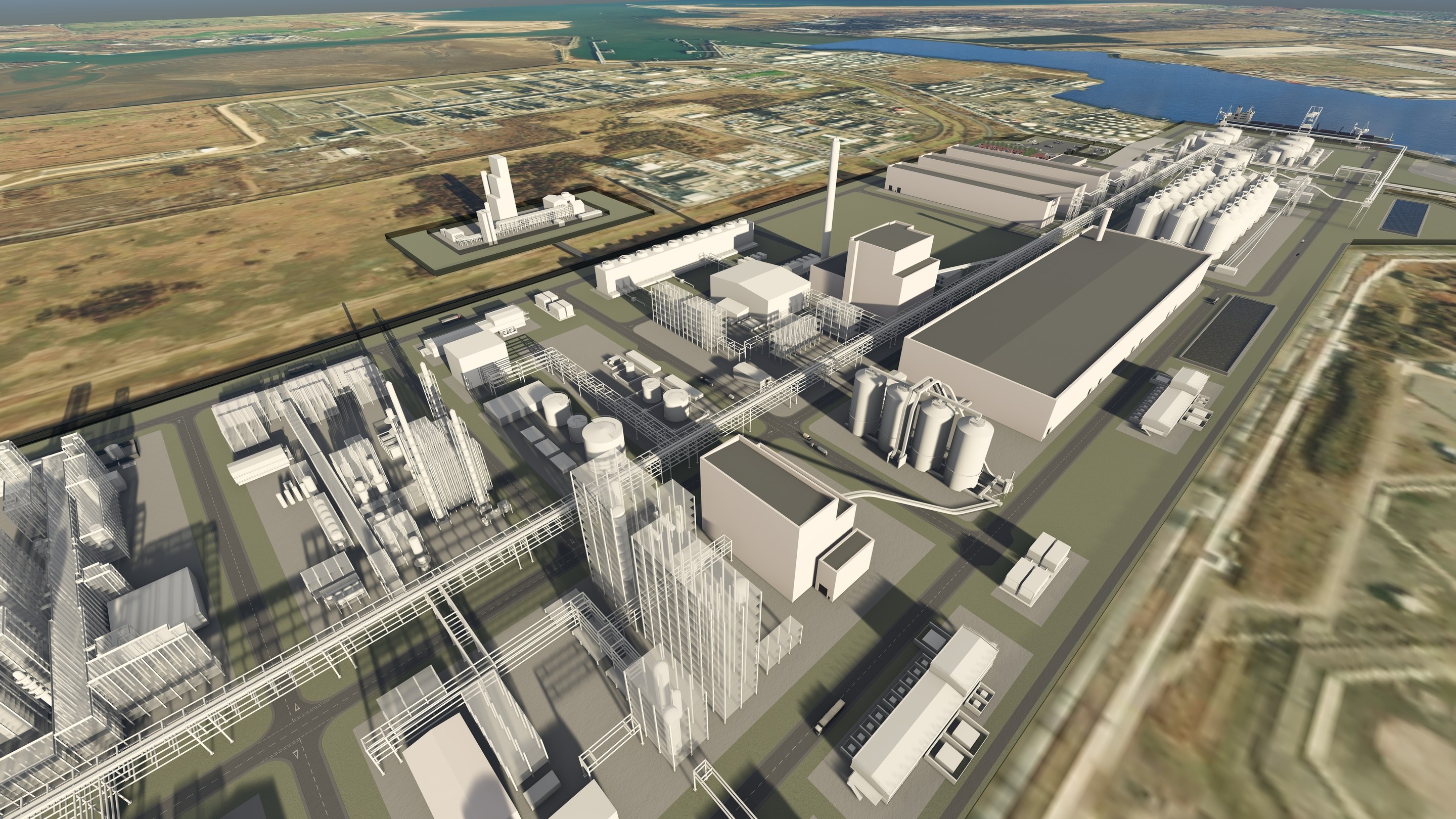
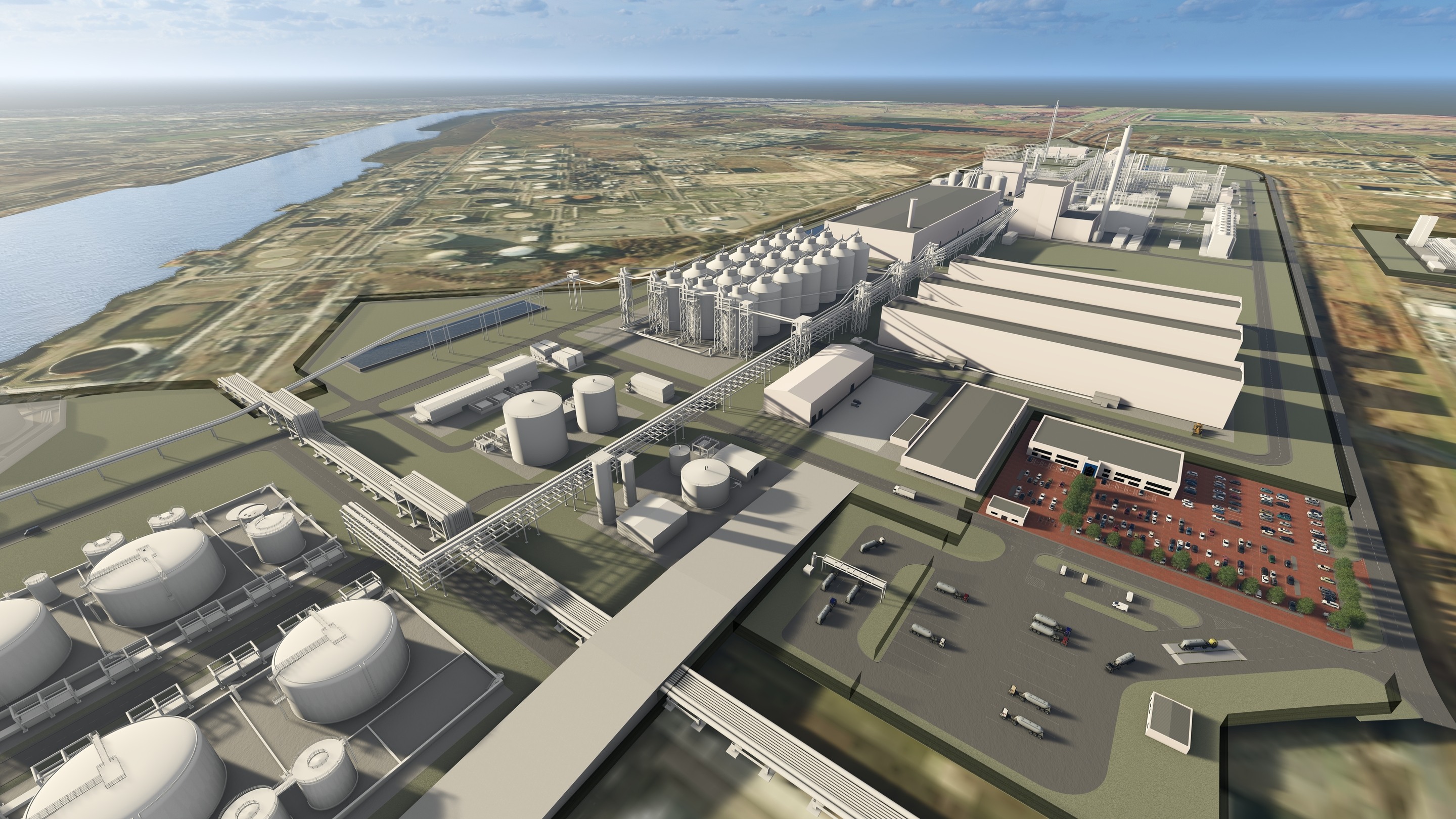
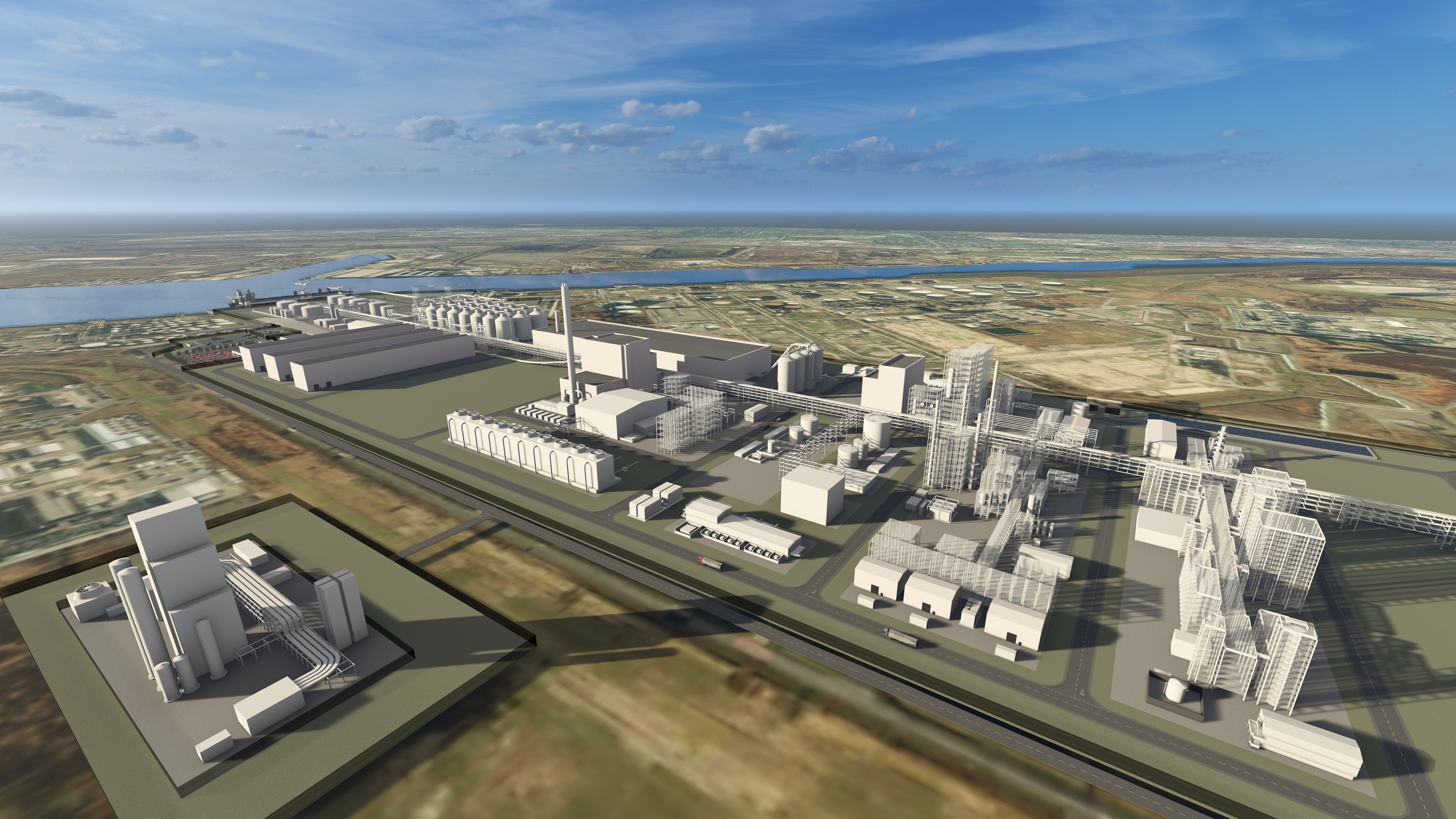
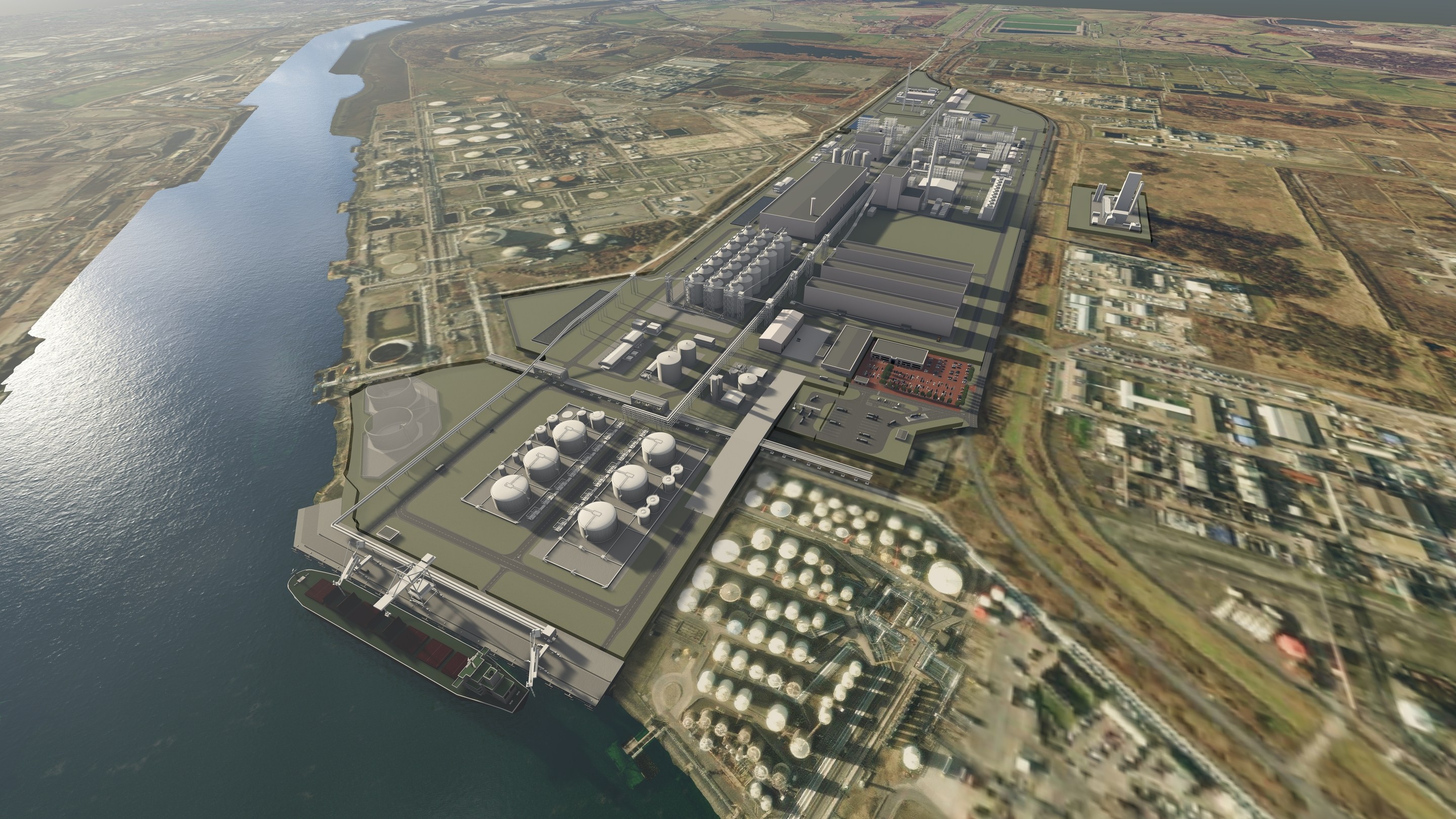
Aviation is hard to decarbonise. Alternatives like hydrogen or electric are years away, while aircraft remain in service for decades. Lighthouse Green Fuels addresses this gap with a commercial-scale facility in Teesside that turns biogenic waste and residues into certified sustainable aviation fuel.

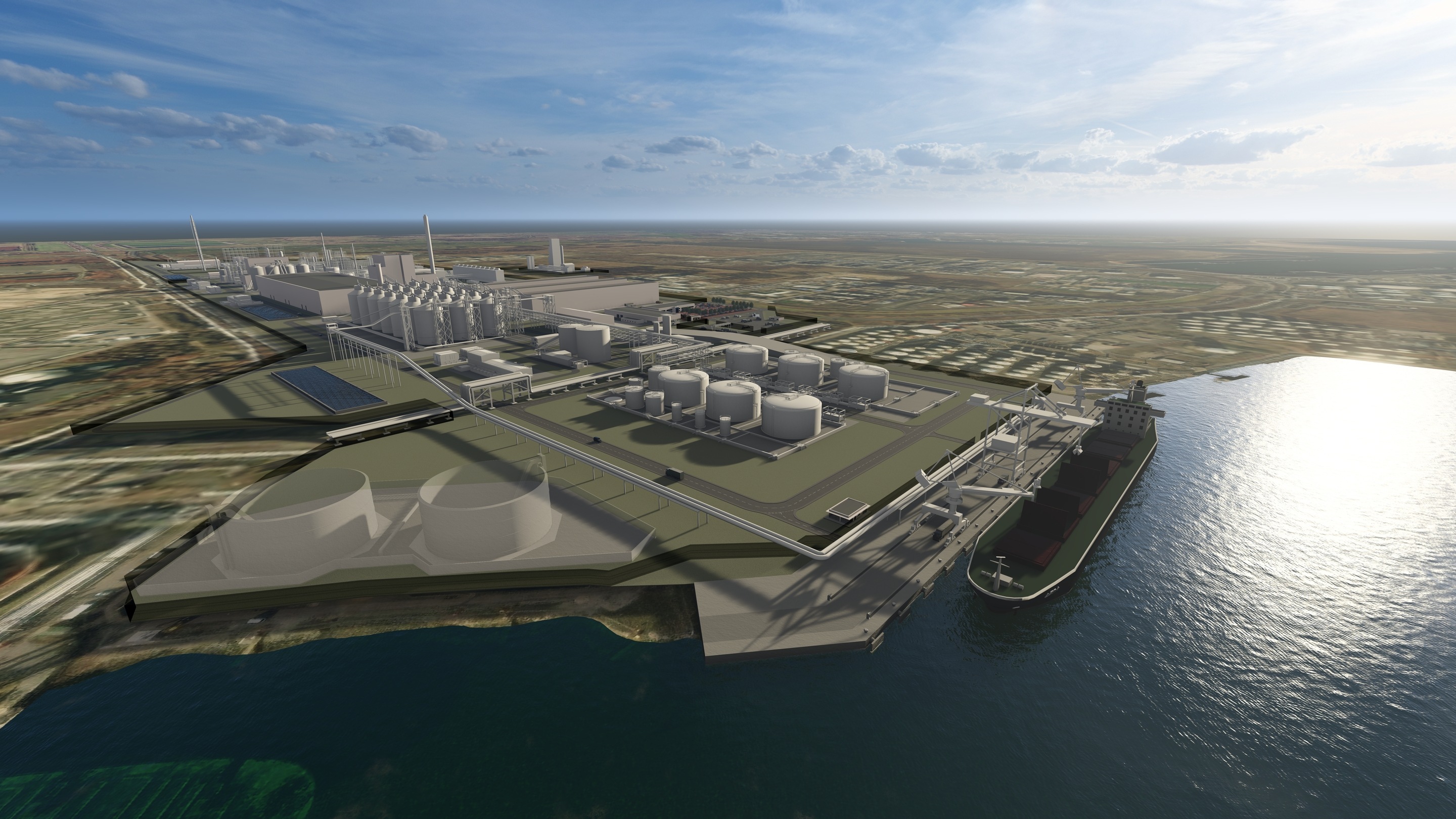
The plant combines gasification and Fischer-Tropsch with CCS to deliver carbon-negative fuel, supporting Jet Zero, regional regeneration and the UK’s SAF Mandate targets.

Delivering a carbon-negative SAF plant at commercial scale

The UK has set ambitious targets for sustainable aviation fuel, and meeting them requires developing first-of-a-kind plants at a commercial scale. For us, the challenge is not only delivering the first “refinery-scale” infrastructure development in the UK for decades, but also integrating several complex technologies into a single production system.
Our process combines gasification and Fischer-Tropsch synthesis with carbon capture to produce carbon-negative SAF that is fully compatible with existing aircraft and airport infrastructure.

Integrating gasification and FT with CCS in Teesside

To overcome scale challenges, alfanar draws on deep engineering and project development expertise, conducting extensive FEED to optimise site layout and integration.

Technical complexity is managed by combining proven process technologies into an integrated biorefinery, with risks mitigated through pilot validation.


Proximity to CCS enables step-change emissions cuts, while strong local supply chains and a skilled team support feedstock, operations, and large-scale project delivery.

Proximity to CCS enables step-change emissions cuts, while strong local supply chains and a skilled team support feedstock, operations, and large-scale project delivery.
https://media.alfanar.com/prod-container/Case%20Studies/LIghthouseGreenFuelsCommericial-66.JPG
https://media.alfanar.com/prod-container/Case%20Studies/LIghthouseGreenFuelsCommericial-8.JPG
https://media.alfanar.com/prod-container/Case%20Studies/LIghthouseGreenFuelsCommericial-32.JPG
https://media.alfanar.com/prod-container/Case%20Studies/LIghthouseGreenFuelsCommericial-72.JPG
Solutions & Services Used
FocusAreasWithIconSAF Production
FocusAreasWithIconProject Development
FocusAreasWithIconEngineering Construction

Technologies Being Used

Full cycle SAF process
End-to-end process converting biogenic waste into advanced jet fuel
Gasification
Gasification
Commercially proven process turning waste feedstock into clean syngas
Fischer-Tropsch
Fischer-Tropsch
Catalytic process converting syngas into liquid hydrocarbons for jet fuel
Carbon capture
Carbon capture
Integrated capture system enabling carbon-negative fuel performance
Clean fuel at scale for the future of aviation

Clean fuel at scale for the future of aviation

This £2bn project will convert 1.5m tonnes of waste into 180m litres of sustainable aviation fuel each year. With integrated carbon capture, it achieves 200% emissions savings compared to fossil jet fuel, making the fuel carbon negative and fully compatible with today’s fleets. By 2030, Lighthouse Green Fuels is set to meet 46% of the UK’s second-generation SAF requirement, equal to 11% of the total mandate, while driving regional growth, skilled jobs and a blueprint for industrial-scale climate solutions.