
Now certified by leading labs and deployed in SEC – Saudi electricity company and NEOM, our SF6-free switchgear helps utilities across MENA meet global standards and build future-ready networks.
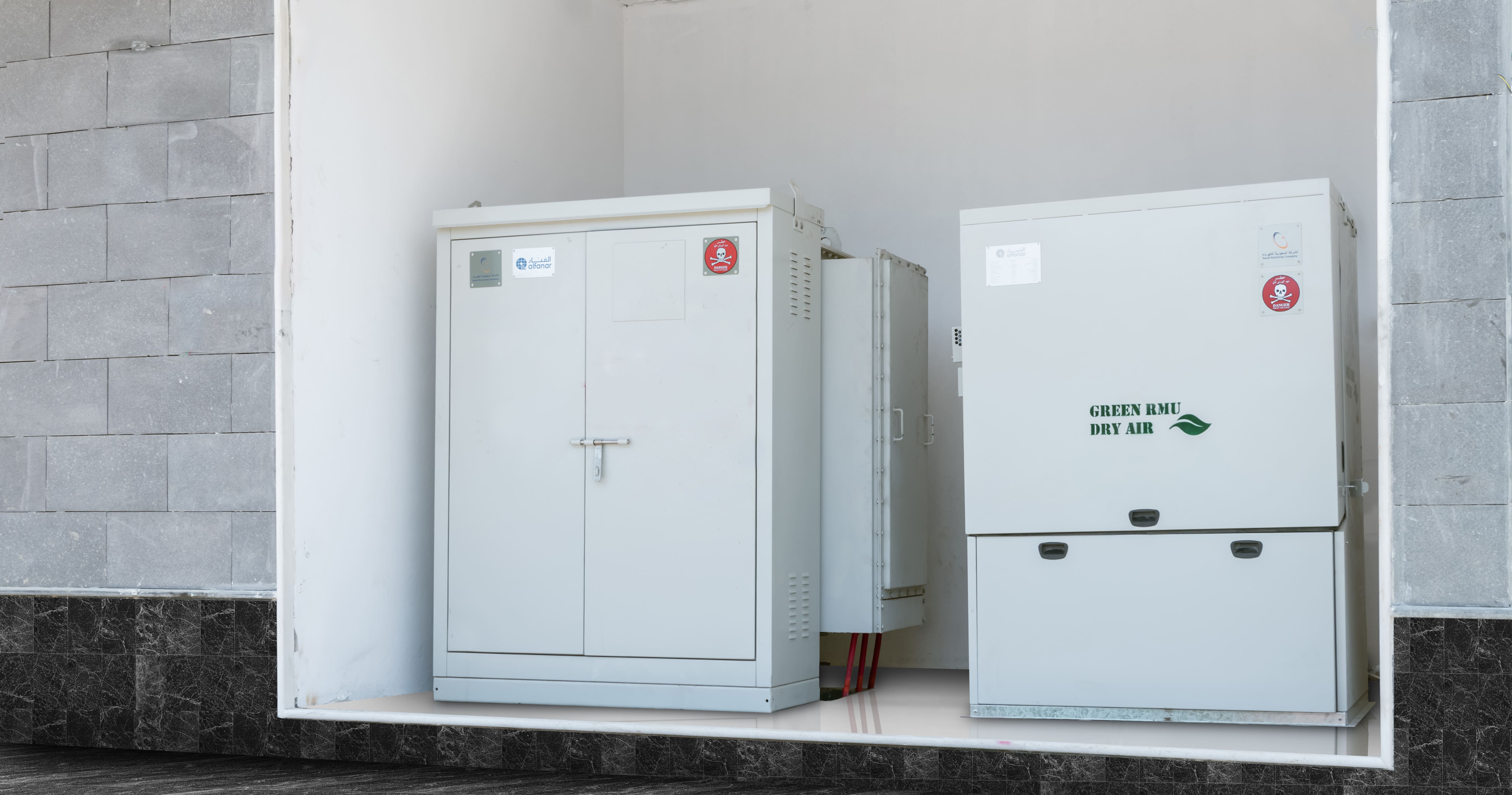
Designing SF6-free RMUs that match performance, footprint and pressure
Replace SF6 in ring main units without compromising safety, reliability or size. Use dry-air insulation at standard pressure with vacuum interruption, keep a 1:1 footprint and familiar operation, and secure full type tests and certifications.
Validation was carried out with KEMA, CESI, ICMET, KERI, Tecnalia, Pehla, Sveppi and GCC labs to prove endurance, protection and environmental performance.



Replace SF6 in ring main units without compromising safety, reliability or size. Use dry-air insulation at standard pressure with vacuum interruption, keep a 1:1 footprint and familiar operation, and secure full type tests and certifications.
Validation was carried out with KEMA, CESI, ICMET, KERI, Tecnalia, Pehla, Sveppi and GCC labs to prove endurance, protection and environmental performance.
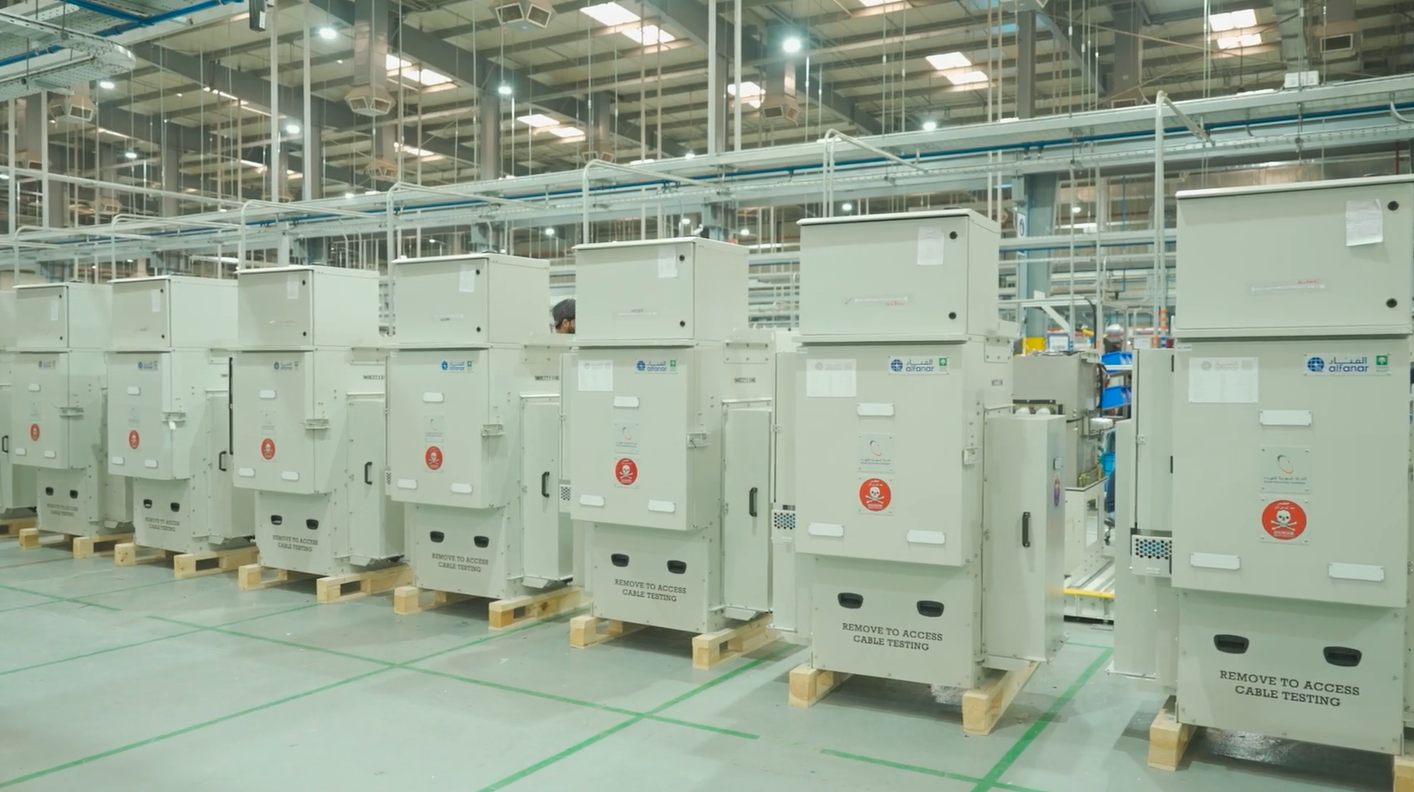
Dry-air insulation and vacuum interruption, utility ready
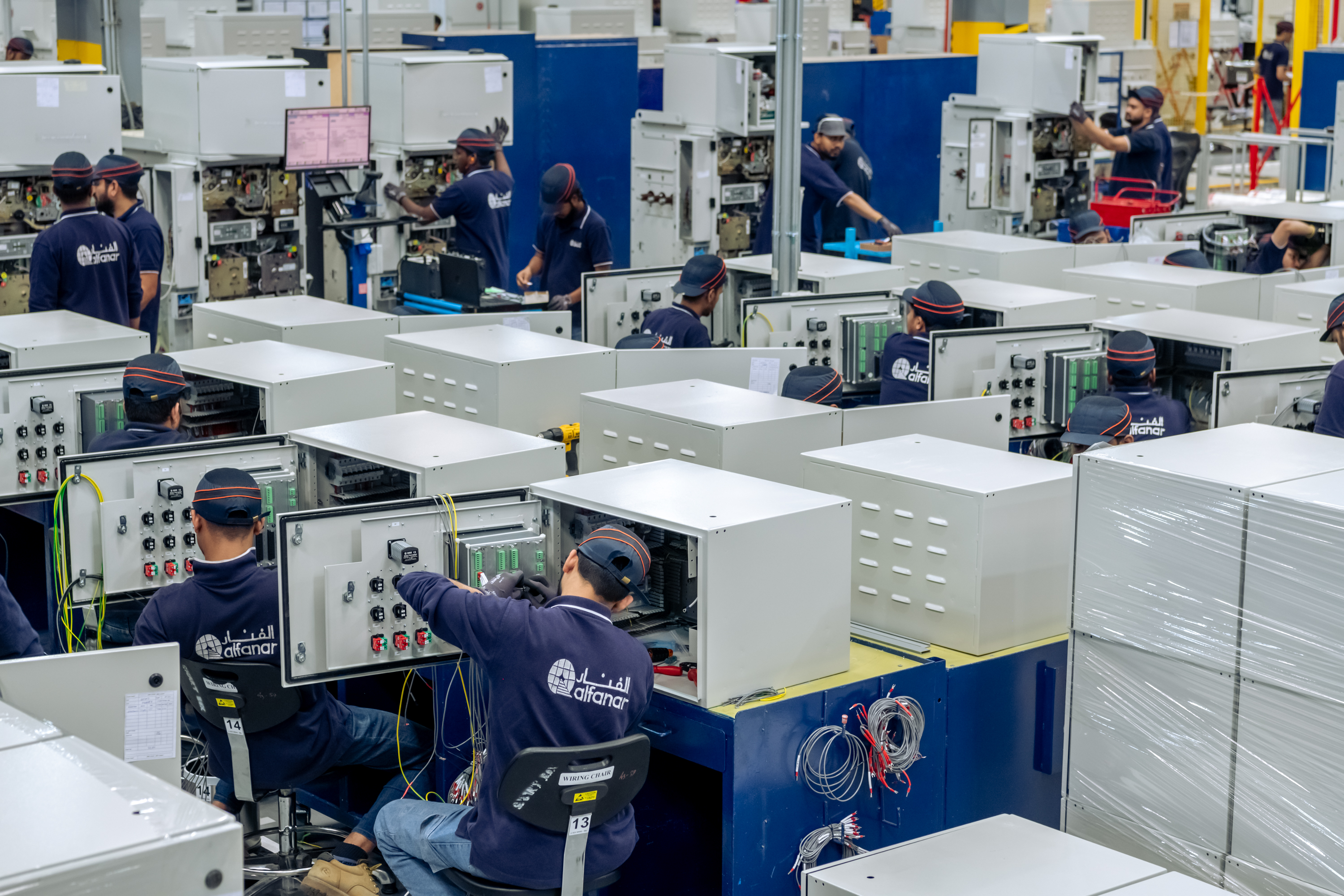
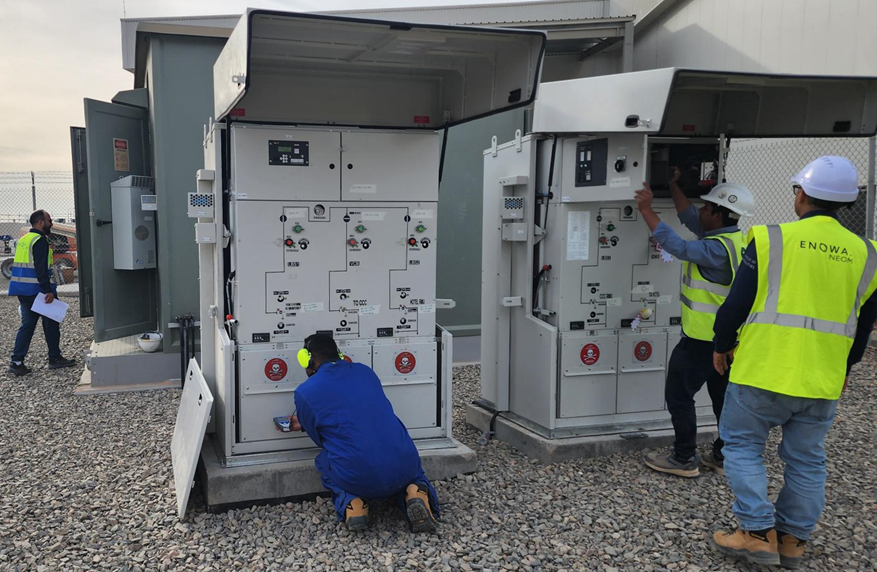
Designs passed international type tests across eight labs and were industrialised with clear assembly, test and QC processes. Pilots in SEC – Saudi electricity company and NEOM inform scaling to 25,000 units per year, cutting material footprint by 15–20% and avoiding up to 2.52m tonnes of CO2e annually. The design is also proven for design class level 2 aging test in an international independent laboratory to ensure future sustainability and maintenance free for its complete lifetime.
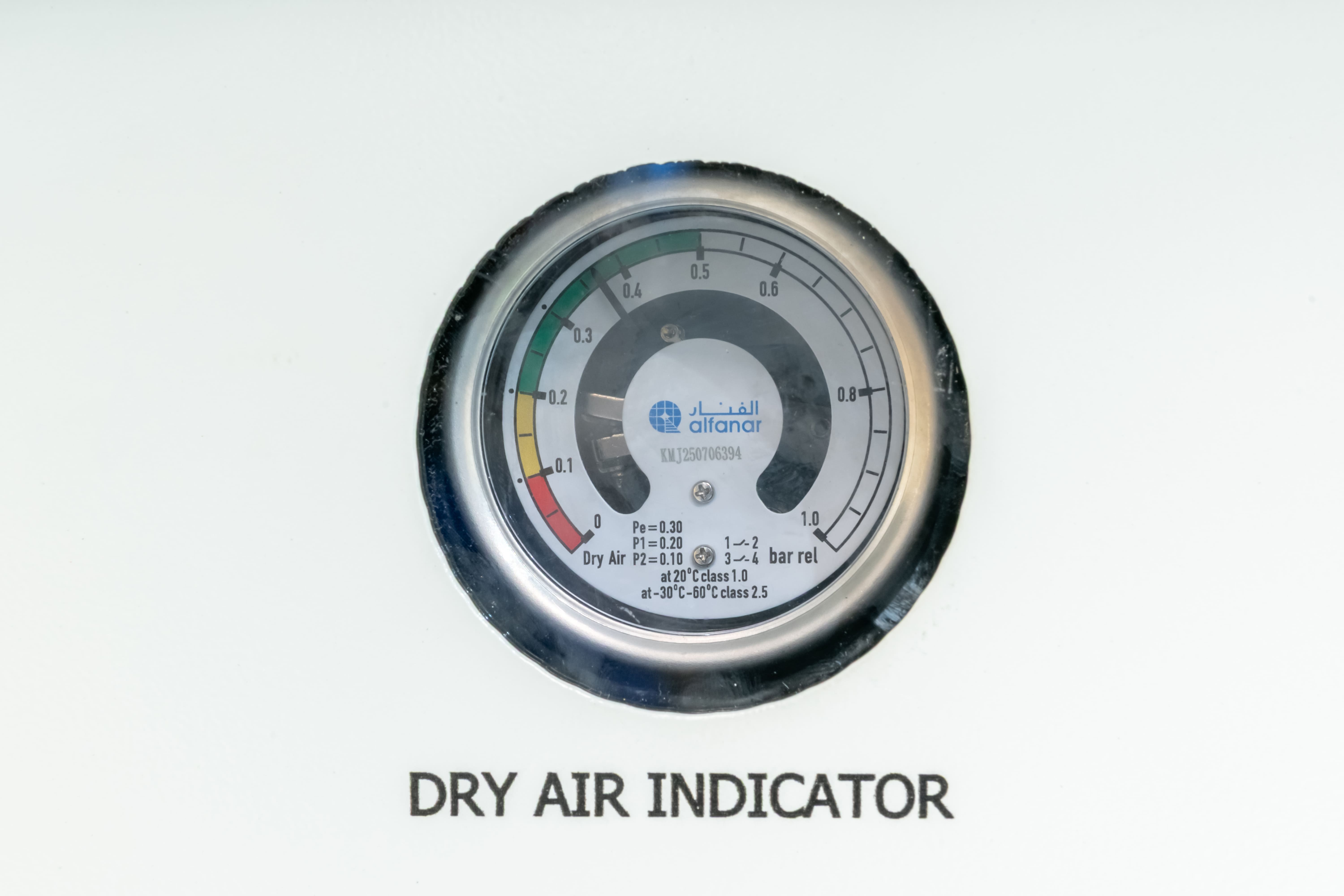
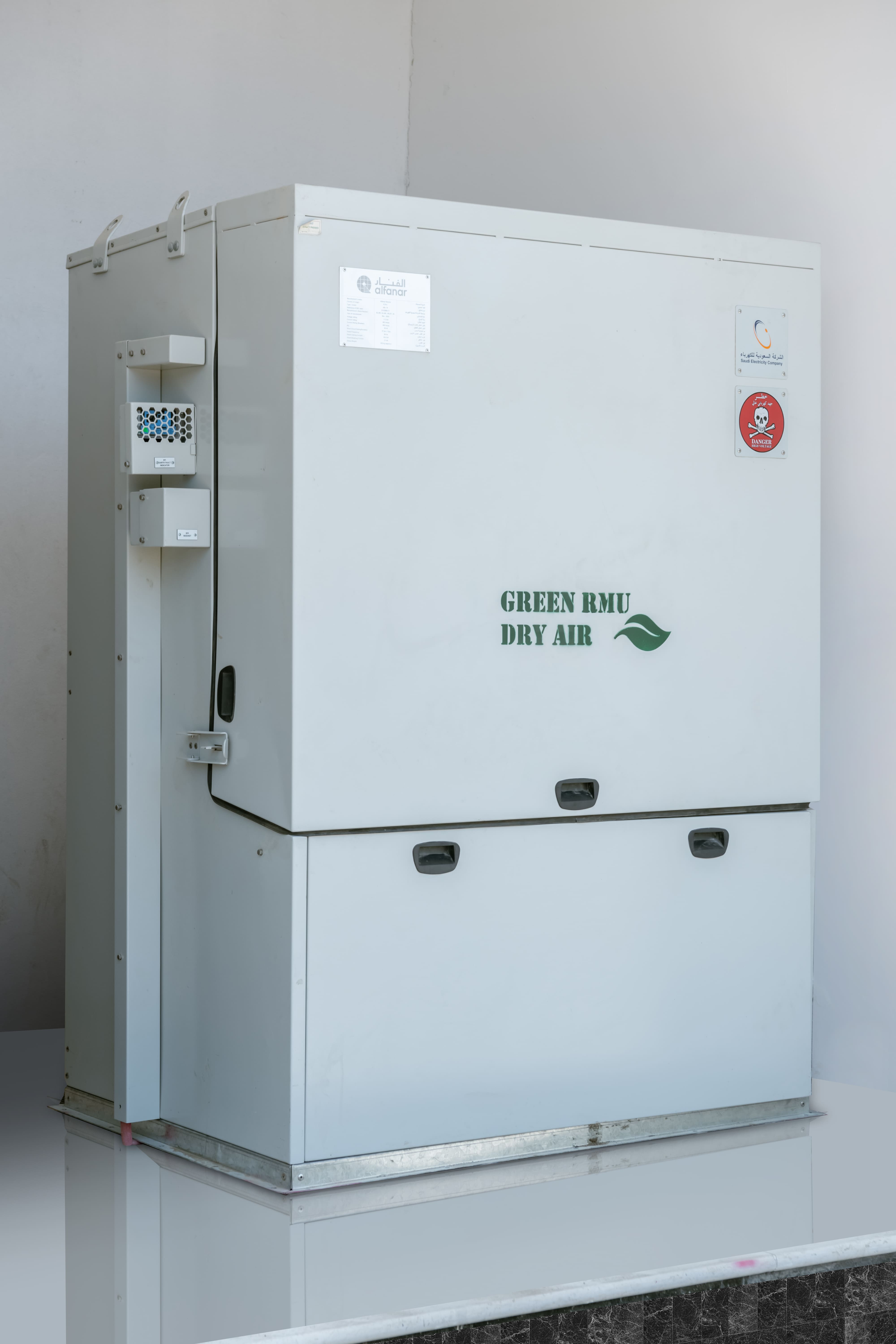
 Dryair insulation design
 Shunt vacuum interruption
 Combined mechanismCombined mechanism
It reflects years of dedication, innovation, and persistence by our R&D team.
I am proud that together we are shaping a more sustainable and reliable future for power distribution.

PRODUCTS BEING USED


A PRACTICAL PATH TO SF6-FREE MEDIUM VOLTAGE NETWORKS
Certified by international labs and deployed in the Kingdom, the SF6-free RMU matches familiar operation and footprint while eliminating SF6. Each unit avoids about 100.8 tonnes of CO2e over its life; production at 25,000 units a year could avoid 2.52 million tonnes annually.
With 15–20% lower material footprint and readiness for scale, the design supports utilities’ regulations, net-zero goals and Vision 2030. First locally developed in MENA and ahead of Europe’s 2026 ban.
